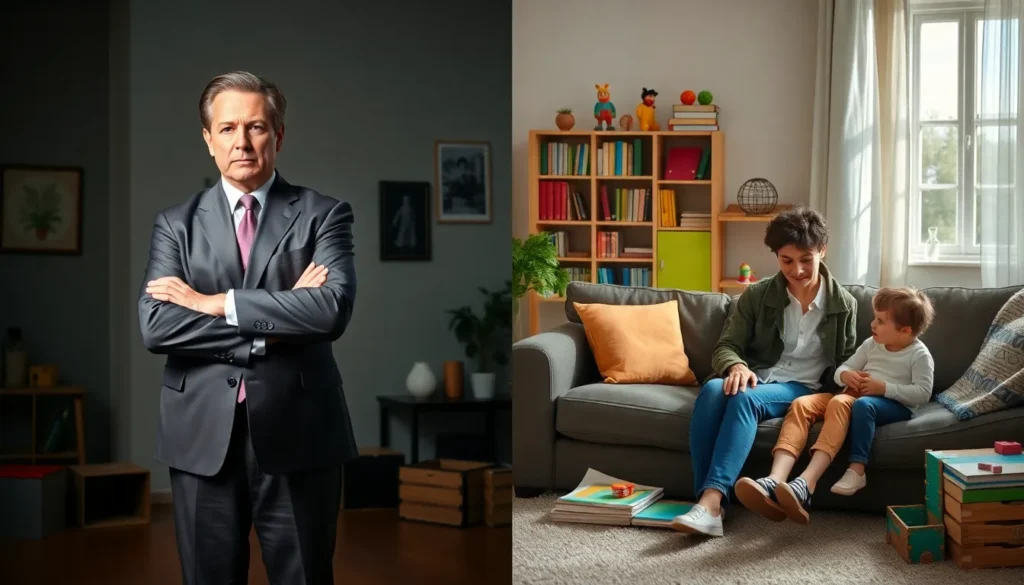

Movies often hold a mirror to society, and parenting styles are no exception. Among the rich tapestry of cinematic family dynamics, authoritative parenting stands out as a beacon of both warmth and structure. It’s like the perfect blend of a comforting hug and a firm hand, but let’s be honest, who wouldn’t want a parent that can dish out both? In a world filled with various parenting styles, from the too strict to the too lenient, authoritative parents in films resonate because they strike a balance that most of us secretly crave. They’re the heroes of family life, navigating the chaos with a smile, a lesson, and maybe a side of sarcasm. So, let’s jump into the world of authoritative parenting in movies and see how these characters influence our perceptions of parenting, one reel at a time.
Understanding Authoritative Parenting

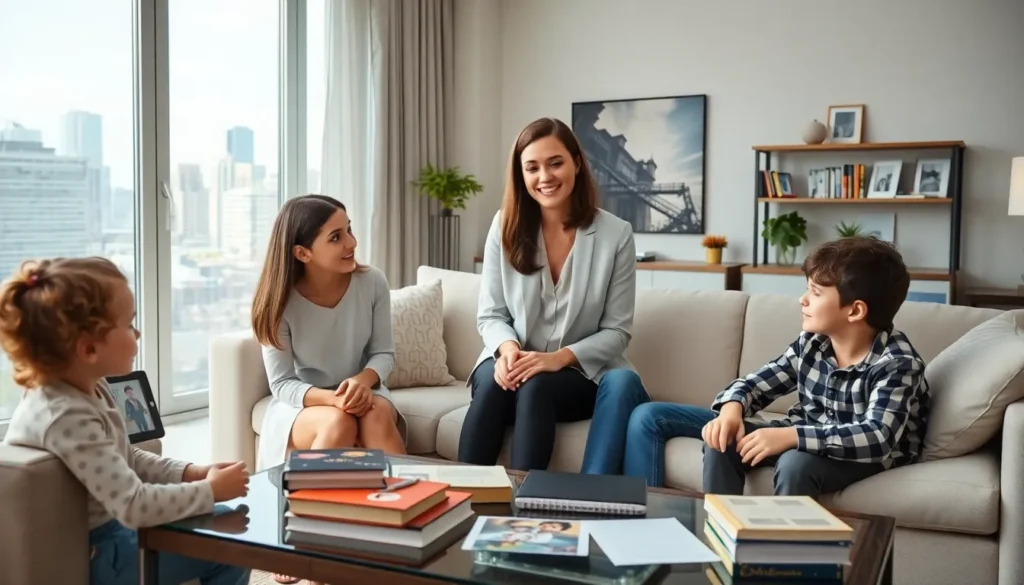
Authoritative parenting is a style that balances warmth and discipline in ways that foster not just compliance but also self-expression. It encourages children to be assertive while still considering their parents as sources of guidance. So what sets these parents apart? Here are some core characteristics:
Characteristics Of Authoritative Parenting
- Open Communication: Unlike authoritarian parents who might think of communication as a one-way street, authoritative parents are like the cool ones who actually listen to their kids. They encourage dialogue and value children’s opinions.
- High Expectations with Support: These parents set high standards but also provide the tools necessary to meet those expectations, creating an environment where children feel empowered rather than stifled.
- Emotional Responsiveness: There’s plenty of love and care here. Authoritative parents are attuned to their children’s emotional needs and offer affection when it’s needed most.
- Independence Encouragement: They promote independence and self-discipline in their kids, equipping them with skills to navigate life on their own.
In a nutshell, authoritative parents might not always be the ‘cool kids’ on the block, but they sure know how to raise future leaders.
Examples of Authoritative Parents in Film
Cinema serves as a powerful storyteller, revealing both the beauty and challenge of parenting. Authoritative parents in movies often embody traits that help their children thrive both personally and socially.
The Role of Authority and Affection
Take a closer look at a few memorable characters:
- Marion McPhee from “Matilda”: Marion exemplifies an authoritative approach, combining constraints with nurturing love. She sets clear boundaries while encouraging Matilda’s independence and intelligence, eventually supporting her daughter’s adventurous spirit.
- Mufasa in “The Lion King”: As a father, Mufasa teaches Simba about the circle of life. He gives guidance with strength and warmth, creating a learning environment that’s both secure and enlightening.
- Elastigirl (Helen Parr) in “The Incredibles”: As a superhero mom, she balances her demanding career with parenting duties, showcasing how love and discipline can coexist in a bustling family life.
These characters not only shine with authoritative qualities but also reflect the complexities of raising children, showing their softer sides alongside their steady hands.
Analysis of Popular Movies Featuring Authoritative Parenting
Looking at popular films that feature authoritative parenting can reveal underlying themes of growth, resilience, and emotional intelligence.
Positive Outcomes Of Authoritative Parenting Depicted In Films
Characters raised by authoritative parents tend to emerge as well-rounded individuals. Consider these examples:
- “Akeelah and the Bee”: Akeelah’s mother embodies authoritative qualities, leading her daughter with love while establishing firm expectations. This nurturing yet disciplined environment fosters Akeelah’s confidence and independence, eventually leading her to compete in the National Spelling Bee.
- “Little Miss Sunshine”: This film features a family that, even though its quirks, showcases a balance of affection and authority. Each character, framed by their parents’ expectations, navigates personal struggles while receiving support and validation from their authoritative guidance.
- “Finding Nemo”: Marlin’s protective nature highlights the duality of authoritative parenting. While he exhibits control, his ultimate goal revolves around nurturing his son, showcasing how love can enhance emotional well-being.
These narratives remind us that a strong foundation in both discipline and affection allows children to face challenges head-on.
Critiques And Limitations Of Authoritative Parenting In Cinema
While the authoritative style is often lauded in film, it’s essential to consider its critiques and limitations presented in various narratives.
Cultural Variations Of Authoritative Parenting In Global Cinema
Not all interpretations of authoritative parenting resonate universally. Different cultures exhibit unique parenting styles influenced by socio-economic and historical contexts:
- Asian Cinema: In many Asian films, parental authority may manifest more conservatively, emphasizing respect and obedience over open communication, leading to misconceptions about authoritative parenting.
- Latin American Films: These films often highlight the passionate side of parenting, showcasing close-knit families where emotional connections might overshadow structured guidance.
- Western Films: The prevalent portrayal often mirrors a blend of love and discipline, where authoritative styles can be romanticized but may overlook the struggles inherent in maintaining that balance.
These critiques remind audiences that while the concept of authoritative parenting carries a generally positive view, it can vary significantly across different cultural landscapes, affecting both character development and audience reception.
The Impact of Film Portrayals on Real-Life Parenting Perspectives
Film has the unique ability to shape our perceptions and expectations around parenting styles. The portrayal of authoritative parenting resonates with many viewers, serving both as inspiration and caution.
Movies can lead parents to aspire toward this style by demonstrating successful outcomes through strong, supportive relationships. It encourages self-reflection among parents, prompting them to consider how their own parenting styles measure up. Also, cinematic representations can inadvertently set unrealistic expectations, often glossing over the hard work and failures associated with raising children.
While films can provide excellent examples for constructive parenting strategies, they can also create pressures that real-life parents may find overwhelming. So, while films can teach, they can also mislead, making it crucial for parents to find their unique balance between discipline and love.