
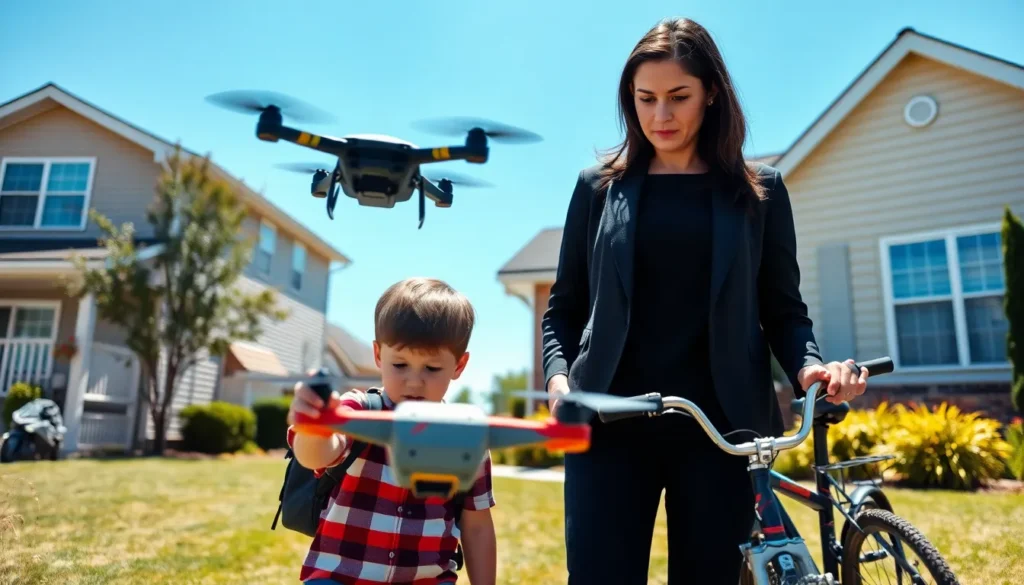

Have you ever watched a parent hover over their child like a drone, micromanaging every tiny detail? It might seem like a weird trend, but helicopter parenting is a growing phenomenon that has people scratching their heads, and maybe rolling their eyes. With the rise of technology and constant connectivity, parents are more inclined than ever to swoop in and save the day, often without realizing the negative impact it can have on their child’s development. Buckle up as we jump into the world of helicopter parenting, where love meets overprotection, and examples abound.
Understanding Helicopter Parenting

Helicopter parenting involves parents who take an overprotective approach, hovering over their kids and controlling their every move, often to an extreme level. The term emerged in the 1990s and has since gained traction as more parents now find themselves entangled in their children’s lives. Whether it’s insisting on completing assignments for them or constantly checking in during school hours, these behaviors reflect an anxiety-driven desire to safeguard children from failure and hurt. But what’s meant to protect can unintentionally stifle rather than support growth.
Parents engaging in these behaviors often believe that they are fostering security, but the truth is that excessive control can lead to a host of problems. Understanding this phenomenon is essential for both parents and children as they navigate the delicate balance between guidance and independence.
Common Traits of Helicopter Parents
Identifying helicopter parents comes easy once you know the traits to look for. First of all, constant involvement is a hallmark. Parents might have an unwavering presence at every school event, even if their child would prefer to attend solo. Also, they often have an agenda: orchestrating playdates and extracurriculars that reflect their own ambitions rather than listening to their child’s desires.
Another common trait is decision-making on behalf of their children. From choosing after-school activities to navigating friendships, helicopter parents often believe they know what’s best, disregarding their child’s preferences or input. This leads to scenarios where a child feels stifled or even resentful.
Finally, helicopter parents tend to shy away from allowing their children to face challenges. Whether it’s helping with assignments or protecting them from negative interactions at school, these parents often step in too quickly. When a child stumbles, rather than letting them get back up on their own, helicopter parents rush in to fix things.
Examples of Helicopter Parenting in Different Contexts
Helicopter parenting manifests in various spheres, showing just how widely this approach can affect a child’s life. In the academic world, one might spot a helicopter parent penning emails to teachers about grades or assignments. Perhaps they take it upon themselves to complete projects rather than letting their children handle the responsibility. Not only does this undermine the child’s autonomous learning, but it also sends a message that their worth is tied to academic performance.
In sports, a helicopter parent might yell from the sidelines, critiquing not just their child’s performance but also the coach’s decisions. This can pressure the child to perform under tension, potentially stripping away the joy from the game.
Socially, helicopter parents could intervene in friendships, often inadvertently. For instance, setting up playdates without asking if their child even wants to hang out with that friend creates a disconnect. Kids need the freedom to cultivate their own social networks, shaping their identity away from parental influence.
Effects of Helicopter Parenting
The implications of helicopter parenting stretch far beyond a child’s immediate experiences. Numerous studies illustrate that its effects can lead to anxiety, depression, and diminished self-esteem among children. In an environment where failure is not tolerated, children may develop excessive fears about making mistakes and facing challenges.
Also, these children often struggle with independence. As they transition into adulthood, they might find it difficult to manage tasks like job hunting or budgeting, having relied so heavily on their parents throughout childhood. This dependency can lead to what’s referred to as ‘failure to launch,’ where young adults find themselves unable to handle basic responsibilities without parental oversight.
Socially, the isolation can be palpable. Kids who grow up under the strict thumbs of helicopter parents may lack essential social skills, as their parents navigate interactions for them. This can lead to awkwardness in peer relationships and difficulty in maintaining friendships.
Balancing Involvement and Independence
So, how can parents engage without hovering? Finding a balance between support and independence is vital. One way to cultivate independence is by encouraging decision-making. Letting children decide what extracurricular activities interest them fosters a sense of agency. This way, children can explore their interests instead of adhering to a strict parental agenda.
Parents should also practice the art of letting go. Imagine watching your child face a small setback without rushing to intervene. By allowing them the space to learn from their experiences, you’re equipping them with resilience and problem-solving skills. Striking a balance may take time and patience, but it’s crucial for developing a well-rounded individual who can stand on their own two feet.


