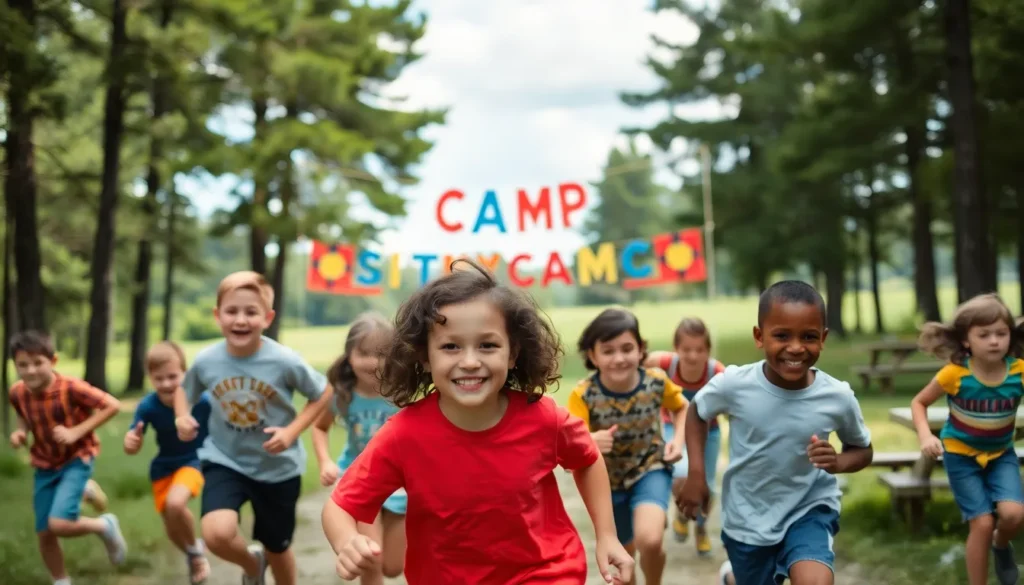

Summer camp isn’t just a place to roast marshmallows and perfect the art of the awkward canoe paddle; it’s a magical realm where friendships blossom faster than a campfire flame. Picture this: kids bonding over ghost stories, epic games of capture the flag, and the occasional mud pie competition. Those connections formed under the stars often last a lifetime, proving that summer camp is more than just a break from the daily grind.
The Importance of Summer Camp Connections
Summer camp plays a crucial role in children’s social development. It provides a unique environment for experiences that foster important connections.
Building Lifelong Friendships
Friendships formed at summer camp often become some of the strongest. Shared experiences create a bond that extends well beyond camp. Campers engage in activities together, building trust and camaraderie. They cheer each other on during team challenges, creating memories that last a lifetime. Many camper friendships maintain contact through social media, summer visits, or even reunions years later. These relationships often serve as essential support systems through various life stages.
Enhancing Social Skills
Summer camp encourages the development of vital social skills. While interacting with peers, campers learn to communicate effectively. They navigate group dynamics and practice conflict resolution through games and collaborative tasks. Campers become adept at expressing their feelings and respecting others’ viewpoints. Participation in team sports further nurtures cooperation and leadership abilities. These refined social skills significantly impact campers’ ability to forge connections in their everyday lives.
Types of Summer Camp Connections
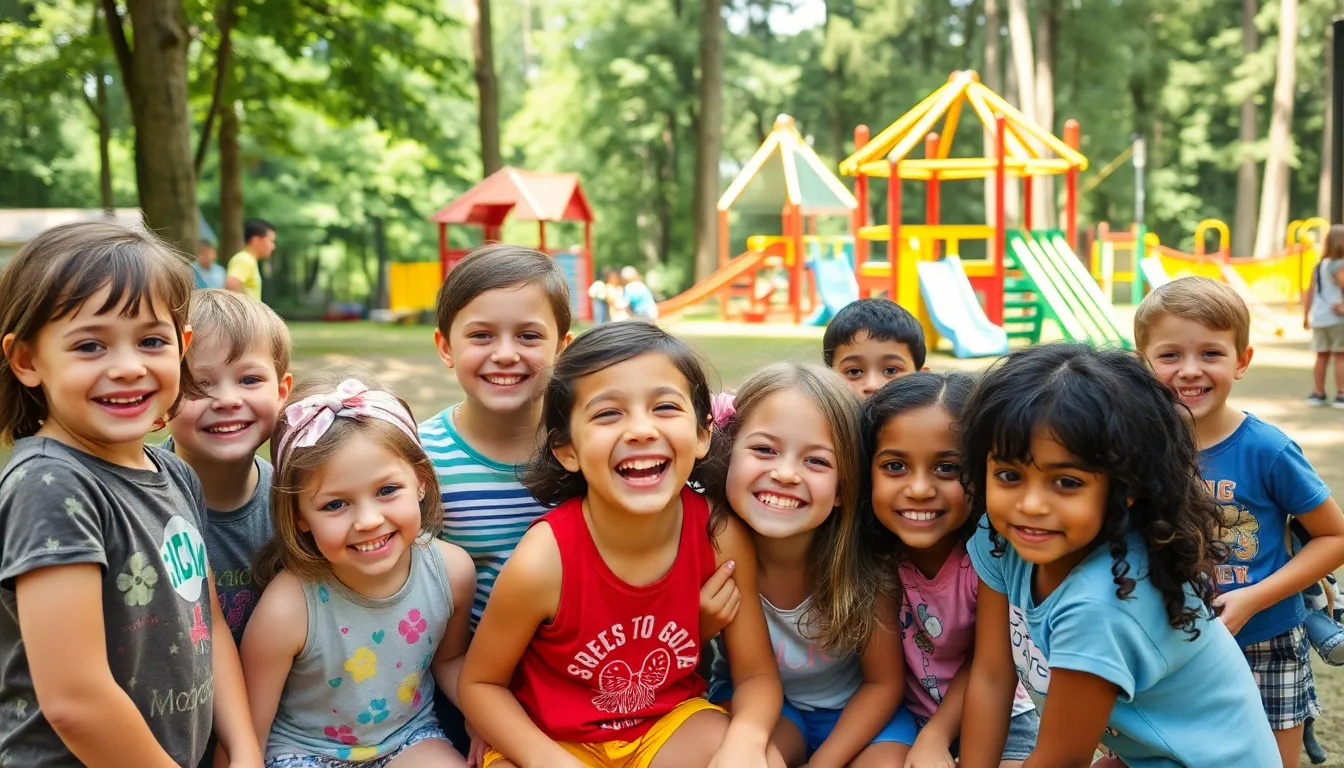
Summer camps foster connections through various formats. Each type offers unique opportunities for personal growth and relationship building.
Traditional Day Camps
Traditional day camps operate during the day and return campers home each evening. Campers engage in activities like arts and crafts, sports, and nature explorations. These camps allow children to develop friendships while enjoying structured schedules and community interactions. Social connections often arise through shared activities and teamwork, enhancing campers’ social skills. Many also partake in group projects, promoting collaboration and trust. Friendships formed in traditional day camps frequently extend beyond the summer, as children connect through school and local events.
Overnight Camps
Overnight camps immerse children in extended experiences away from home. Campers live on-site, fostering deeper connections through shared living spaces and communal activities. Activities like hiking, swimming, and campfires create lasting memories and opportunities for bonding. Developing strong friendships often occurs as campers rely on one another for support and encouragement. Many campers cultivate independence and responsibility, skills valuable in building connections with their peers. After camp, reunions and social media help maintain these important relationships, reinforcing a sense of belonging.
Activities That Foster Connections
Summer camp activities play a vital role in forming lasting friendships. Participation in these activities encourages interaction and collaboration among campers.
Team-Building Exercises
Team-building exercises create a sense of unity among campers. Activities like obstacle courses and trust falls challenge groups to work together, enhancing communication skills. Campers learn to rely on one another, which fosters trust. Additionally, these exercises often lead to the formation of sub-teams, strengthening interpersonal connections. Campers celebrate successes together, creating shared memories that deepen friendships.
Creative Workshops
Creative workshops provide a space for campers to express themselves. Crafting, painting, and performing arts allow children to explore their talents while collaborating with peers. Sharing creative ideas sparks conversations and collaboration, enhancing their social skills. Many campers find common interests, igniting friendships based on shared passions. The supportive environment encourages risk-taking, allowing campers to grow and bond over shared experiences.
The Role of Camp Counselors
Camp counselors play a crucial part in shaping the summer camp experience. They foster connections among campers and serve as mentors, guiding youth through personal growth and social development.
Mentorship Opportunities
Counselors offer invaluable mentorship opportunities at summer camp. Each counselor provides guidance and support, helping campers navigate challenges and build confidence. As campers engage in various activities, counselors actively encourage them to step out of their comfort zones. This nurturing approach cultivates resilience while promoting self-discovery. Campers often look to counselors as role models, learning valuable life skills such as communication, teamwork, and leadership. Through these mentorship relationships, campers develop a sense of trust and respect, which strengthens their friendships and enhances the overall camp experience.
Creating a Supportive Environment
Creating a supportive environment stands at the core of a counselor’s responsibilities. Counselors establish a safe space for campers to express themselves and share their thoughts and feelings openly. By fostering open communication and empathy, counselors help campers feel accepted and understood. They organize team-building activities that promote inclusiveness, ensuring every child feels valued. Moments of shared laughter and encouragement between campers also lead to profound connections. In this nurturing atmosphere, friendships flourish as campers learn essential social skills. Ultimately, counselors play a vital role in enabling campers to build lasting relationships that extend beyond the summer season.
Summer camp serves as a transformative experience that goes beyond fun and adventure. The friendships formed in this unique environment often last a lifetime, providing essential support systems as campers navigate life’s challenges. Campers learn vital social skills and develop a sense of belonging that extends well beyond the summer months.
The role of counselors in fostering these connections is invaluable. Their mentorship and guidance create a nurturing atmosphere where campers can thrive. With shared experiences and teamwork at the forefront, summer camp truly cultivates relationships that enrich lives long after the campfire has cooled.