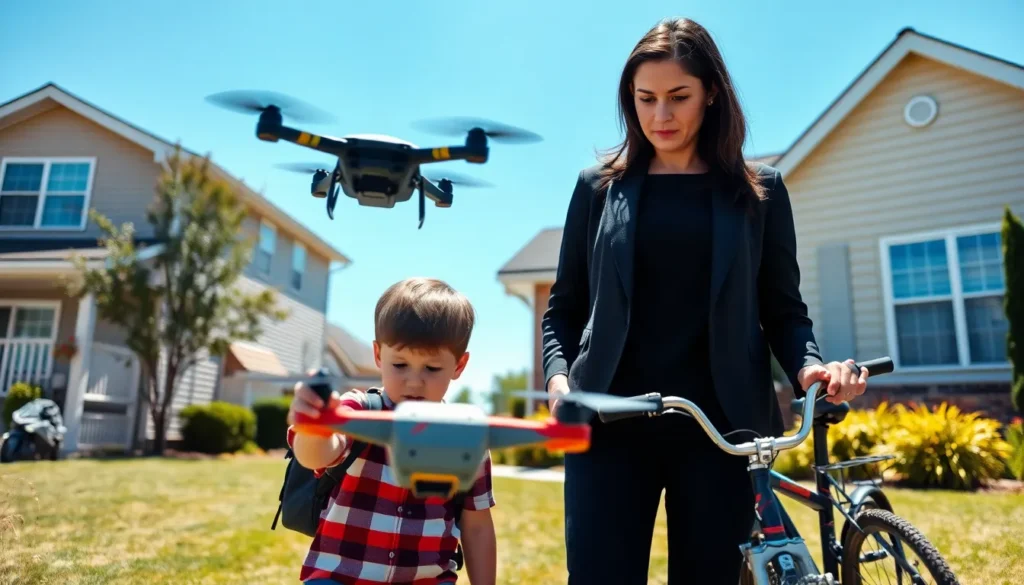
Have you ever felt the urge to swoop in and rescue your child at the slightest hint of trouble? You’re not alone. Helicopter parenting has become a buzzword in recent years, likened to being a 24/7 guardian angel, just one with a very loud engine. Many parents today find themselves caught in the whirlwind of anxiety and the need to control their child’s every move. But are these tendencies helping or hindering? In this text, we’ll unpack the signs of helicopter parenting, what makes it tick, and why it might be time to let your little bird fly. Spoiler alert: it involves a bit less hovering and a lot more trust.
Understanding Helicopter Parenting

Helicopter parenting is not just a catchy phrase, it’s a detailed approach that emphasizes excessive involvement in a child’s life. This concept originated in the early 1990s, often described as hovering protectively over children. While the intention often springs from love and concern, it can lead to adverse outcomes for both parents and children. Parents might think they’re offering support, but what they’re really doing is stifling their child’s ability to grow, explore, and develop independence. So, why this urge to hover? It often stems from the growing pressures of parenting standards, societal expectations, and a desire to shield children from failure or disappointment.
Common Characteristics Of Helicopter Parents
Identifying helicopter parenting can sometimes feel like spotting a rare bird, it’s subtle yet distinct. Here are some common characteristics:
- Constant Oversight: Helicopter parents often keep a tight leash on their children’s activities, schedules, and relationships. They might check in excessively on phone apps, scrutinize social media interactions, or even monitor grades obsessively.
- Decision-Making for Them: These parents frequently make decisions on behalf of their children, whether it’s choosing their extracurriculars or even planning their outings with friends.
- Shielding From Consequences: They jump in at the first sign of trouble, often preventing children from experiencing natural consequences for their actions, which can inhibit learning opportunities.
- High Anxiety Levels: High levels of anxiety about their child’s safety and success typically hover over helicopter parents. This anxiety can manifest as excessive worry or feeling the need to control every situation.
Understanding these traits is crucial because recognizing them is the first step toward addressing helicopter parenting tendencies.
Emotional Signs Of Helicopter Parenting
The emotional side of helicopter parenting often emerges as a visible struggle, not just for the parents but for the children involved:
- Increased Stress in Children: Kids of helicopter parents can experience significant stress due to high expectations and constant pressure to perform well.
- Fear of Failure: Youngsters might develop a fear of failure, as they worry about disappointing their overly involved parents, leading to anxiety and avoidance behaviors.
- Dependence on Approval: A strong reliance on parental approval can stifle a child’s self-esteem, making them feel inadequate without constant validation from their parents.
- Limitations on Emotional Growth: When parents swoop in to solve problems, they inadvertently rob children of opportunities to manage their emotions and develop resilience.
Consequences For Children Of Helicopter Parenting
The impacts of helicopter parenting can have long-lasting effects on children. While parents may believe they are acting in their child’s best interest, the opposite can occur:
- Lack of Independence: As children grow without the experience of navigating challenges, they may struggle to become self-sufficient adults.
- Low Self-Esteem: Constant intervention can lead to children doubting their abilities, cultivating feelings of low self-worth.
- Relationship Issues: Helicopter parenting can hinder social skill development, making it challenging for children to forge lasting friendships or partnerships.
- Increased Anxiety and Depression: Rearranging a child’s world to avoid discomfort can lead to heightened anxiety and depressive symptoms later on, particularly if they don’t learn to cope with challenges.
Understanding these consequences highlights the importance of striking a balance between support and autonomy.
How To Transition From Helicopter Parenting
Transitioning away from helicopter parenting isn’t about cutting the cord entirely: it’s about cultivating a healthy independence in children. Here’s how to navigate this shift:
Supporting Independence In Children
Allow them to make decisions, even if they seem small. Consider letting them decide what to wear or choose after-school activities. This encourages them to think for themselves.
Setting Healthy Boundaries
Establish boundaries that allow your child to have some control over their environment. Discuss what areas they feel confident managing independently, like assignments, chores, or social commitments.
Encouraging Problem-Solving Skills
When faced with challenges, resist the urge to step in immediately. Instead, guide them to brainstorm solutions. Ask questions like, “What do you think you should do?” or “What alternatives do you see?” This helps them develop critical thinking and resilience.