
Every parent knows the struggle of getting kids to tackle their homework or clean their rooms. It’s like trying to convince a cat to take a bath—nearly impossible! But what if there were ways to turn those everyday battles into fun adventures? Motivating children doesn’t have to be a Herculean task. With the right strategies, parents can inspire their little ones to embrace challenges with enthusiasm rather than resistance.
Understanding Motivation in Children
Motivation in children plays a critical role in their development. Comprehending what drives children’s motivation leads to better strategies for fostering it.
Theories of Motivation
Several theories explain children’s motivation. Maslow’s hierarchy of needs suggests that fulfilling basic needs, such as safety and belonging, influences motivation. Self-determination theory emphasizes intrinsic and extrinsic motivators; children perform better when they feel autonomy and competence. Additionally, achievement motivation theory highlights a child’s desire to succeed. Each theory provides insights on how motivation works, offering useful approaches for parents.
Importance of Motivation
Motivation significantly impacts children’s learning and behavior. Engaged children take on challenges, leading to improved academic performance. Motivated children show greater persistence, enhancing their problem-solving skills. Furthermore, motivation boosts creativity, allowing for innovative thinking. Developing motivation contributes to a child’s self-esteem, fostering resilience against setbacks. By understanding the importance of motivation, parents can create environments that nurture and encourage it.
Factors Influencing Motivation
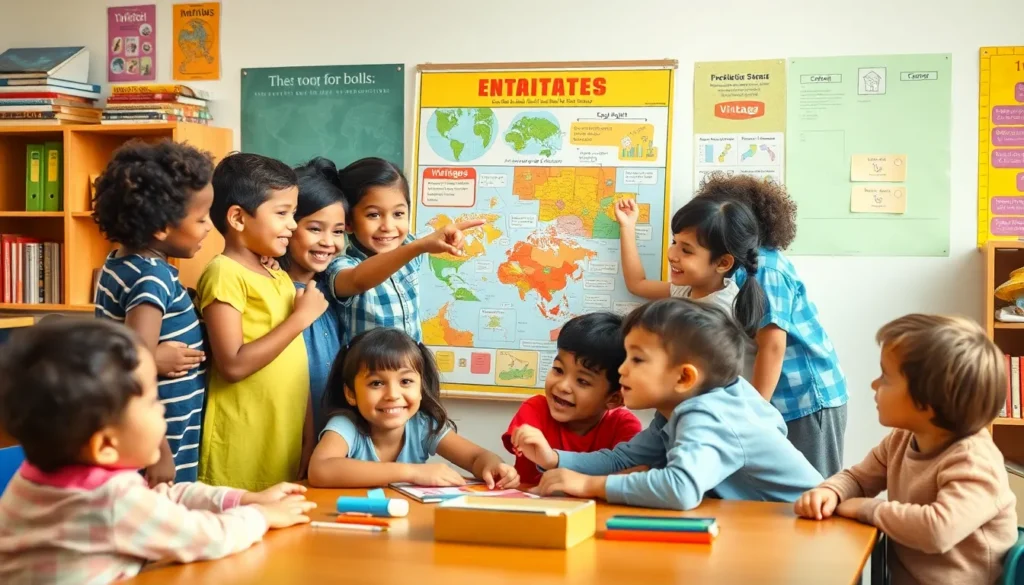
Understanding various factors that influence children’s motivation helps in fostering a supportive environment. Both internal and external elements play essential roles in motivating children to engage and succeed.
Internal Factors
Intrinsically motivated children often exhibit a strong desire to explore and learn. Curiosity drives these children to seek knowledge independently. Personal interests shape their learning experiences, leading to greater investment in tasks. Feelings of competence enhance their confidence, encouraging them to tackle new challenges. When children feel a sense of control over their actions, their motivation increases significantly. Emotional well-being also impacts motivation; happy and secure children are more likely to approach tasks with enthusiasm.
External Factors
External factors significantly influence children’s motivation to engage in activities. Support from parents and teachers creates a nurturing environment that boosts self-esteem and motivation. Positive reinforcement, such as praise or rewards, encourages children to pursue challenges. Social interactions with peers provide opportunities for teamwork and collaboration. Structured routines and clear expectations help children understand the importance of their tasks. Accessibility to resources and tools can further empower children to take initiative in their learning.
Strategies for Motivating Children
Motivating children requires a blend of effective strategies that encourage engagement and enthusiasm for tasks. Implementing these approaches fosters a nurturing environment.
Setting Achievable Goals
Setting clear and attainable goals enhances children’s motivation. Goals should be specific and broken down into smaller steps. For instance, rather than assigning a large project, parents can set milestones for completing smaller tasks. Regularly reviewing these goals provides opportunities to celebrate achievements and adjust as necessary. This practice reinforces a child’s sense of progress and builds confidence. Individualized goals cater to a child’s interests and abilities, making tasks feel less daunting and more achievable.
Providing Positive Reinforcement
Positive reinforcement effectively boosts a child’s motivation. Parents can acknowledge efforts with praise or rewards to reinforce good behavior. Specific, genuine compliments about achievements, no matter how small, encourage repeated behaviors. Consistency in providing reinforcement establishes a routine where children expect recognition for their hard work. Additionally, non-tangible rewards like extra playtime or shared activities strengthen bonds and motivate further participation. Creating a culture of appreciation helps children feel valued and understood.
Creating an Engaging Learning Environment
Creating engaging learning environments captivates children’s interests. An organized space, filled with stimulating resources, invites exploration and creativity. Incorporating interactive materials like games and hands-on activities makes learning enjoyable. Establishing a designated area for different tasks helps children associate spaces with specific activities, increasing focus. Involving children in decisions about their learning space fosters autonomy and investment in their tasks. Additionally, regular updates to learning materials keep experiences fresh and exciting.
Common Challenges in Motivating Children
Motivating children often presents specific hurdles that require attention. Understanding these challenges can guide parents in developing effective strategies.
Recognizing Lack of Motivation
Identifying signs of low motivation can help in addressing the issue. Changes in behavior, such as withdrawing from activities or displaying frustration, often indicate a lack of interest. Grades may drop, signaling disengagement from schoolwork. Children might resist completing tasks or show reluctance in discussions about their responsibilities. Effective communication is essential for uncovering the underlying causes of this disinterest. Parents can foster open dialogues, encouraging children to express their feelings about various tasks. Observing their emotional responses often reveals deeper insights into their motivations. Engaging with children while exploring their likes and dislikes can facilitate better understanding.
Addressing Different Learning Styles
Recognizing that children learn differently helps in tailoring motivational approaches. Auditory learners may respond better to discussions and storytelling, while visual learners benefit from charts and illustrations. Kinesthetic learners thrive on hands-on experiences and interactive tasks. Adapting teaching methods that align with these styles increases engagement. Implementing diverse resources can cater to each child’s preferences, making learning enjoyable. Group activities can also promote social interaction, stimulating motivation among peers. Encouraging children to explore their favorite methods encourages them to take ownership of their learning processes. By personalizing educational experiences, parents can effectively motivate their children.
Motivating children is a multifaceted journey that requires patience and understanding. By recognizing the unique factors that influence each child’s motivation, parents can tailor their approaches to meet individual needs. Implementing effective strategies not only transforms mundane tasks into enjoyable activities but also fosters a sense of autonomy and competence in children.
Creating a supportive environment filled with encouragement and positive reinforcement is essential for nurturing a child’s intrinsic motivation. Open communication and awareness of different learning styles further enhance this process. Ultimately, when parents invest in their children’s motivation, they pave the way for lifelong learning and personal growth.