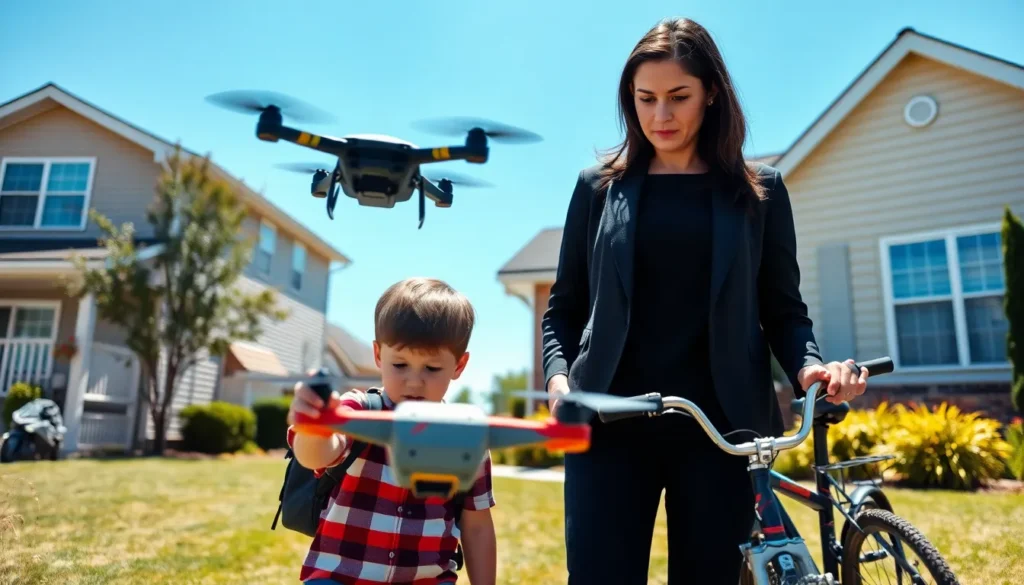

Helicopter parenting is a style that can often spark heated debates among parents and experts alike. If you’ve ever tried to help your child with assignments or make sure they aren’t eaten alive by a pack of ravenous squirrels at the park, you might be tempted to proudly wear the helicopter parent badge. But, while hovering can seem protective, it can also come with its fair share of complexities. Let’s jump into the pros and cons of this parenting approach, exploring why some parents take to the skies while others prefer a more grounded approach.
Understanding Helicopter Parenting

Helicopter parenting refers to a style characterized by excessive emotional and physical involvement in a child’s life. Parents often find themselves hovering over their children, ensuring that every possible obstacle is avoided. This approach often stems from a genuine desire to protect and nurture. In a world where dangers seem more pronounced, from social media pitfalls to academic pressures, it’s easy to see why some parents feel the need to remain vigilant. But, this protective instinct raises questions about the line between supportive guidance and overbearing control.
Pros Of Helicopter Parenting
Helicopter parenting can indeed offer several advantages that can be quite beneficial for a child’s development.
Enhanced Safety And Security
Perhaps the most apparent advantage of helicopter parenting is the increased sense of safety and security it provides children. These parents often monitor their kids’ activities closely and take proactive measures to keep them safe from harm. This not only protects them from physical dangers but also helps shield them from negative influences. In an increasingly connected world, where cyberbullying and online dangers lurk, a vigilant parent can help navigate these threats.
Increased Academic Support
Another significant pro is increased academic support. Helicopter parents often take an active role in their child’s education, checking assignments and organizing study sessions. They typically stay involved in their child’s school life, which creates an environment where education is valued. Children can thrive under this tailored support, as it can lead to improved academic performance and greater motivation.
Stronger Family Bonds
Finally, helicopter parenting can strengthen family bonds. The constant involvement fosters open lines of communication. When parents share in their children’s successes and challenges, it creates a mutually supportive environment. This can lead to stronger relationships, helping children feel loved and valued.
Cons Of Helicopter Parenting
Even though the reassuring benefits, helicopter parenting isn’t without its downsides.
Impaired Independence
First and foremost, it often leads to impaired independence. Children may become overly reliant on their parents for guidance and decision-making. When parents constantly intervene, children miss opportunities to learn how to solve problems for themselves. They might struggle to take initiative or develop critical life skills needed for adulthood.
Increased Anxiety In Children
Also, helicopter parenting can increase anxiety in children. The immense pressure to meet high expectations from hovering parents can create a chronic state of stress. When children feel they must perform perfectly to gain approval, anxiety levels can spike, leading to potential mental health issues.
Reduced Problem-Solving Skills
Finally, reduced problem-solving skills can create long-term challenges. Children may not learn how to face difficulties or navigate conflict independently. Without these skills, they might find themselves ill-prepared to tackle challenges in school, work, or their personal lives, leading to a cycle of dependency that can be hard to break.
Finding The Balance
Striking a balance between guidance and independence is essential for fostering a healthy parent-child relationship.
Strategies For Balanced Parenting
One effective strategy for achieving this balance is setting appropriate boundaries. Parents can still be involved without micromanaging every detail. Celebrating achievements while allowing for mistakes provides valuable lessons in resilience. Encouraging children to take on new responsibilities can also aid in this transition.
Recognizing When To Step Back
Recognizing when to step back is equally crucial. Parents should assess situations and determine if their intervention is necessary. Taking a moment to evaluate whether a child can handle a challenge on their own can promote growth. Also, encouraging reflection and conversation can help foster independence.
Encouraging Independence In Children
Encouraging independence can start with small tasks, such as allowing children to choose their friends or make decisions in their daily routine. These small steps pave the way for larger responsibilities and foster self-sufficiency in the long run. Providing praise and support during these efforts reinforces confidence and strengthens their ability to handle challenges.