

Independence isn’t just a buzzword; it’s the secret sauce for personal growth and success. Imagine a world where individuals confidently tackle challenges, make decisions, and embrace their unique journeys. Encouraging independence isn’t just about cutting the apron strings; it’s about empowering people to soar like eagles instead of waddling around like confused ducks.
Understanding Independence
Independence plays a crucial role in personal development and overall well-being. It empowers individuals to navigate life with confidence and make meaningful choices.
Definition of Independence
Independence involves the ability to make decisions, set goals, and take action without relying excessively on others. It encompasses self-sufficiency, where individuals manage their responsibilities and face challenges independently. This concept applies to various aspects of life, including emotional, financial, and social dimensions. Personal independence promotes a sense of ownership over one’s life choices, leading to increased self-esteem and satisfaction.
Importance of Encouraging Independence
Encouraging independence benefits individuals and communities alike. Increased independence fosters resilience, enabling people to adapt to new situations effectively. It cultivates critical thinking and problem-solving skills, essential in today’s dynamic environment. Furthermore, independent individuals often contribute positively to society through enhanced creativity and innovation. Encouraging independence also strengthens relationships, as it allows individuals to support one another without fostering dependency. This shared growth creates a more empowered and cohesive community, ultimately leading to collective success.
Strategies for Encouraging Independence
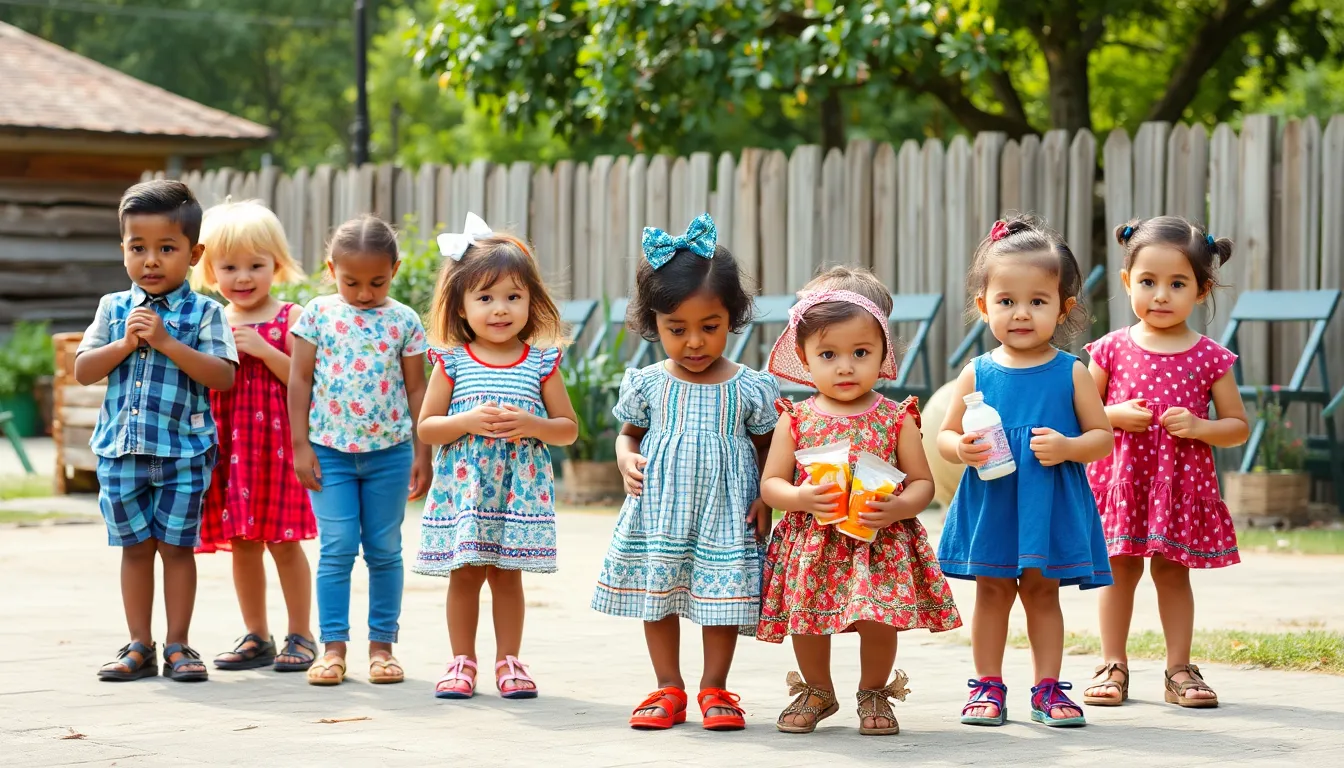
Encouraging independence involves specific strategies that empower individuals to make choices and enhance their self-sufficiency.
Age-Appropriate Activities
Choosing activities that match an individual’s age promotes independence effectively. Young children can engage in simple tasks like dressing themselves or choosing snacks. Adolescents might take part in household chores, helping them develop responsibility. Adults benefit from participation in community events or volunteering, further fostering social connections. Tailoring these opportunities ensures they are both enjoyable and challenging, allowing individuals to learn new skills and gain confidence. Encouraging exploration in safe environments strengthens independence and cultivates a sense of achievement.
Setting Realistic Goals
Establishing achievable goals contributes significantly to fostering independence. Individuals should create specific, measurable, and time-bound objectives. Breaking larger goals into smaller, manageable tasks simplifies the process and boosts motivation. Regularly reviewing these goals helps track progress and identify areas for improvement. Celebrating small victories reinforces positive behavior and encourages continued efforts. When goals align with personal interests and values, individuals experience heightened engagement and a greater sense of ownership over their independence journey.
Role of Parents and Caregivers
Parents and caregivers play a crucial role in encouraging independence among individuals. Their support and approach can significantly impact personal development and decision-making skills.
Fostering a Supportive Environment
Creating a supportive environment involves nurturing a safe space for exploration. He or she should provide encouragement and celebrate achievements, no matter how small. Validation of efforts fosters confidence, which is essential for independence. Empowerment comes from allowing individuals to make choices and learn from mistakes. Providing resources and opportunities for learning contributes to skill development and self-sufficiency.
Balancing Guidance and Freedom
Balancing guidance with freedom is vital. Too much direction can stifle personal growth, while a lack of guidance may lead to uncertainty. Encouragement of decision-making helps individuals learn critical thinking skills. Setting boundaries while allowing autonomy prepares individuals for real-world challenges. Parents and caregivers should adapt their level of involvement based on the individual’s age and experience, ensuring a healthy balance that promotes independence.
Benefits of Encouraging Independence
Encouraging independence brings numerous benefits that impact various aspects of life. Individuals experience personal growth through increased self-awareness and self-confidence as they navigate challenges on their own.
Personal Growth and Development
Personal growth flourishes in an environment that encourages independence. Individuals learn to make their own choices, which fosters a sense of agency. They develop essential life skills such as decision-making and self-advocacy. Experiencing responsibility in various situations cultivates resilience, allowing them to handle obstacles with ease. Exposure to new experiences also broadens perspectives, leading to enriched understanding. Personal development becomes a natural byproduct of encouraging autonomy at any age. Consequently, individuals build a solid foundation for lifelong learning and adaptation.
Improved Problem-Solving Skills
Improved problem-solving skills emerge as individuals take on responsibilities. Facing challenges alone compels people to think critically and creatively. They assess problems from different angles, leading to effective solutions. For example, a child figuring out how to resolve a conflict with a peer builds conflict-resolution skills. Engaging in tasks without constant guidance enhances their ability to evaluate options and make informed decisions. As a result, individuals feel empowered to tackle complex issues. This capability not only nurtures confidence but also fosters a proactive mindset essential for navigating life’s hurdles.
Encouraging independence is a vital investment in personal and communal growth. By empowering individuals to make choices and embrace their unique journeys, they develop essential life skills that enhance resilience and confidence. The balance between guidance and freedom is crucial; it allows for exploration while ensuring support.
As individuals take on responsibilities and face challenges, they cultivate critical thinking and problem-solving abilities that serve them throughout life. Fostering independence not only benefits the individual but also strengthens communities through shared successes and creativity. Ultimately, embracing independence paves the way for a more confident and self-sufficient future.