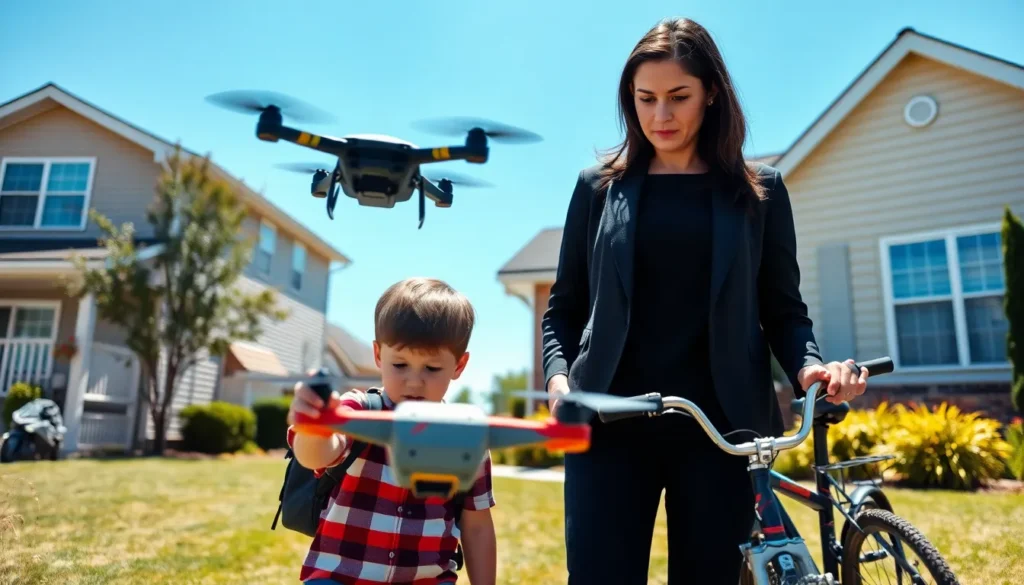

Imagine trying to navigate adulthood while someone’s hovering above you like a drone, ready to intervene at a moment’s notice. This phenomenon, commonly known as helicopter parenting, might sound endearing, but its effects can be anything but. While parents certainly mean well, their over-protective nature can leave lasting impressions on their adult children. From anxiety to strained relationships, the implications of helicopter parenting deserve a closer look. What’s going on in the minds of those raised under these watchful eyes? Let’s immerse and uncover the nuanced effects of helicopter parenting on adults.
Understanding Helicopter Parenting

Helicopter parenting refers to an over-involvement by parents in their children’s lives. Picture a helicopter that hovers closely, observing every tiny move. These parents often micromanage aspects of their children’s lives, from academics to social interactions. This approach stems from a place of love: parents believe they are protecting their children from failures and hardships. But, this constant oversight can hinder the development of crucial life skills. What many parents see as guidance, children may perceive as control, leading to frustration on both sides.
Characteristics Of Helicopter Parents
The traits of helicopter parents are as distinct as a fingerprint. Typically, they display behaviors that include over-scheduling activities, excessive communication, and a reluctance to let their children make independent decisions. Often, these parents may attend college classes with their children or try to influence their career choices. Many helicopter parents equate their own success with that of their children. So, this pressure can transform parenting into a relentless quest for achievement, rather than a nurturing experience. It’s crucial to recognize these patterns to understand their impact better.
Short-Term Effects On Adulthood
In the immediate aftermath of being raised by helicopter parents, adults may exhibit specific behaviors rooted in dependency. For instance, many find themselves ill-prepared for decision-making and struggle with basic tasks like budgeting and job applications. Also, anxiety levels can surge. They may feel overwhelmed by the demands of adulthood due to their upbringing. While some thrive in structured environments, others may falter without the safety net their parents provided. So, short-term outcomes often reveal a mix of reliance and anxiety, illustrating the paradox of helicopter parenting.
Long-Term Psychological Impact
The long-term effects of helicopter parenting can be profound. As adults continue through life, many find themselves battling issues like low self-esteem and chronic anxiety. Since these individuals often lived under constant scrutiny, they may struggle to make decisions without second-guessing themselves. Besides, the fear of failure can overshadow their achievements, leading to a cycle of self-doubt. Relationships can also suffer as trust issues emerge: adults raised in such environments might struggle to cultivate healthy, independent connections. The impact is deep-rooted and manifests in various ways.
How Helicopter Parenting Affects Relationships
When it comes to personal relationships, the fallout from helicopter parenting is evident. Adults may struggle with intimacy, often fearing vulnerability because they have been conditioned to avoid failure. Trust issues can arise as they question the motives of others, unsure if they can rely on them. In romantic relationships, these individuals might oscillate between dependency and fear of commitment. Friendships may also feel strained or superficial, as genuine connections require vulnerability that feels terrifying. Eventually, the struggle to form lasting relationships can be a significant hurdle for many adults raised by helicopter parents.
Strategies For Overcoming Helicopter Parenting Effects
Fortunately, understanding and addressing the impacts of helicopter parenting is possible. Therapy can be a powerful tool, offering a space for individuals to understand their feelings and behaviors. Cognitive Behavioral Therapy (CBT) can help in reframing negative thought patterns and building self-esteem. Also, fostering independence is crucial, setting small, achievable goals can empower adults to take ownership of their lives. Learning to embrace failure as a part of growth rather than something to be feared is fundamental. Developing healthy communication skills can also enhance relationships, enabling more profound connections.